My DVB303 Experimental Visual Communication project was, admittedly, a little self-indulgent. I’ve always been drawn to music as a vessel for storytelling and world-building, especially when executed in conjunction with grassroots graphic design. Even something as simple as a single logo can not only add a level of consistency and marketability to an album rollout, but also act as a unifying symbol for listeners to grasp onto and identify each other with.
This is the core idea behind Mayda Imaging Archive, however I specifically devised this project around creating a branding system for a fictional corporation, existing self-contained within the world of a hypothetical concept album. Two of my favourite albums of all time – underscores’ Wallsocket (2023) and Flume’s Palaces (2022) – do this extremely well in my opinion, and interweave themes of corporate greed and industrialisation into their respective narratives. I wanted to explore this as a vessel for creative expression through the lens of graphic design, 3D art and UI design.
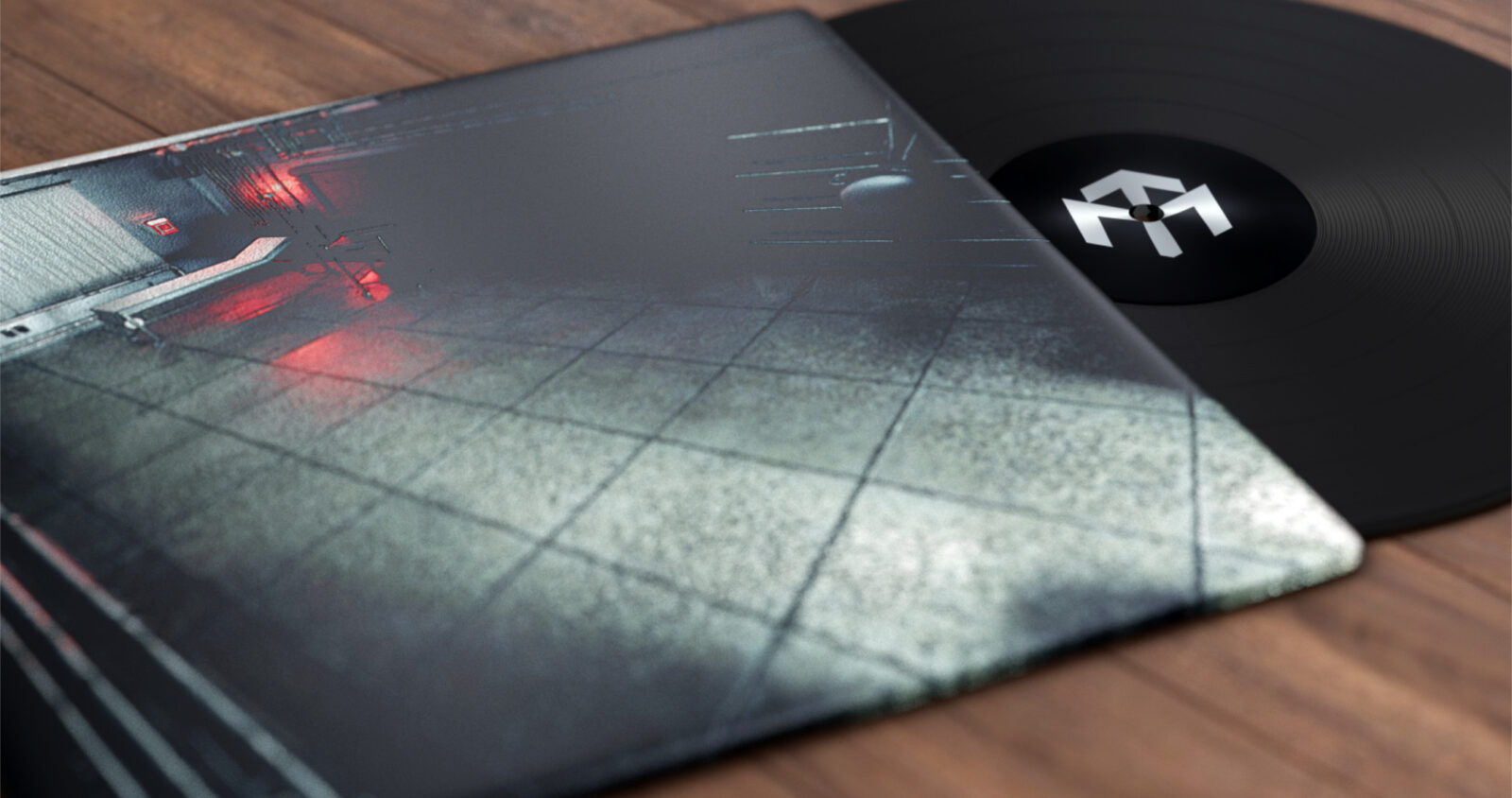
album cover
Named after the Atlantic Ocean phantom island, Mayda Imaging is a fictitious pharmaceutical technology corporation that specialises in neural imaging and oneirology – the study of dreams. The album will focus on a protagonist that undergoes a procedure through Mayda and emerges unable to function in the real world, having developed a codependence on the treatment they were receiving; a digital world that Mayda had fabricated for them.
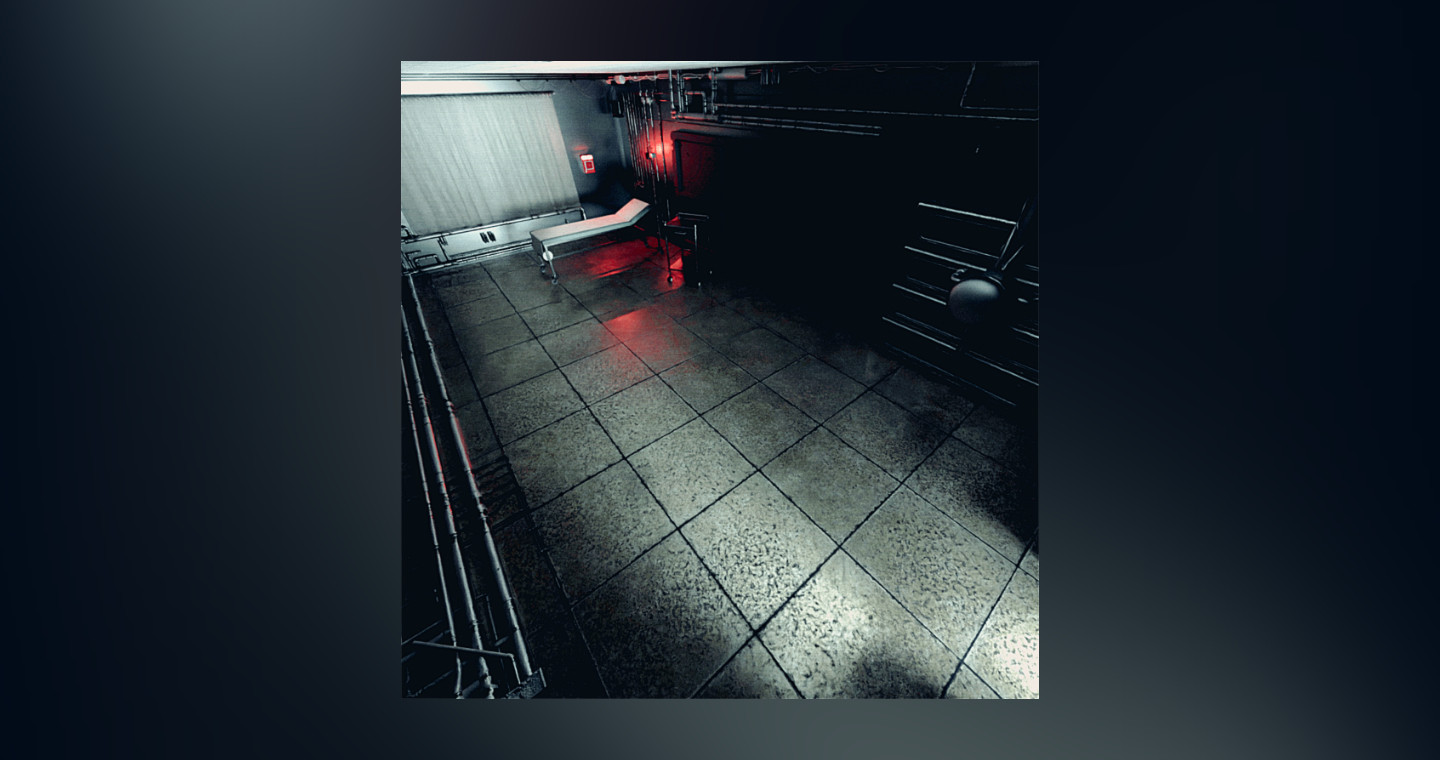
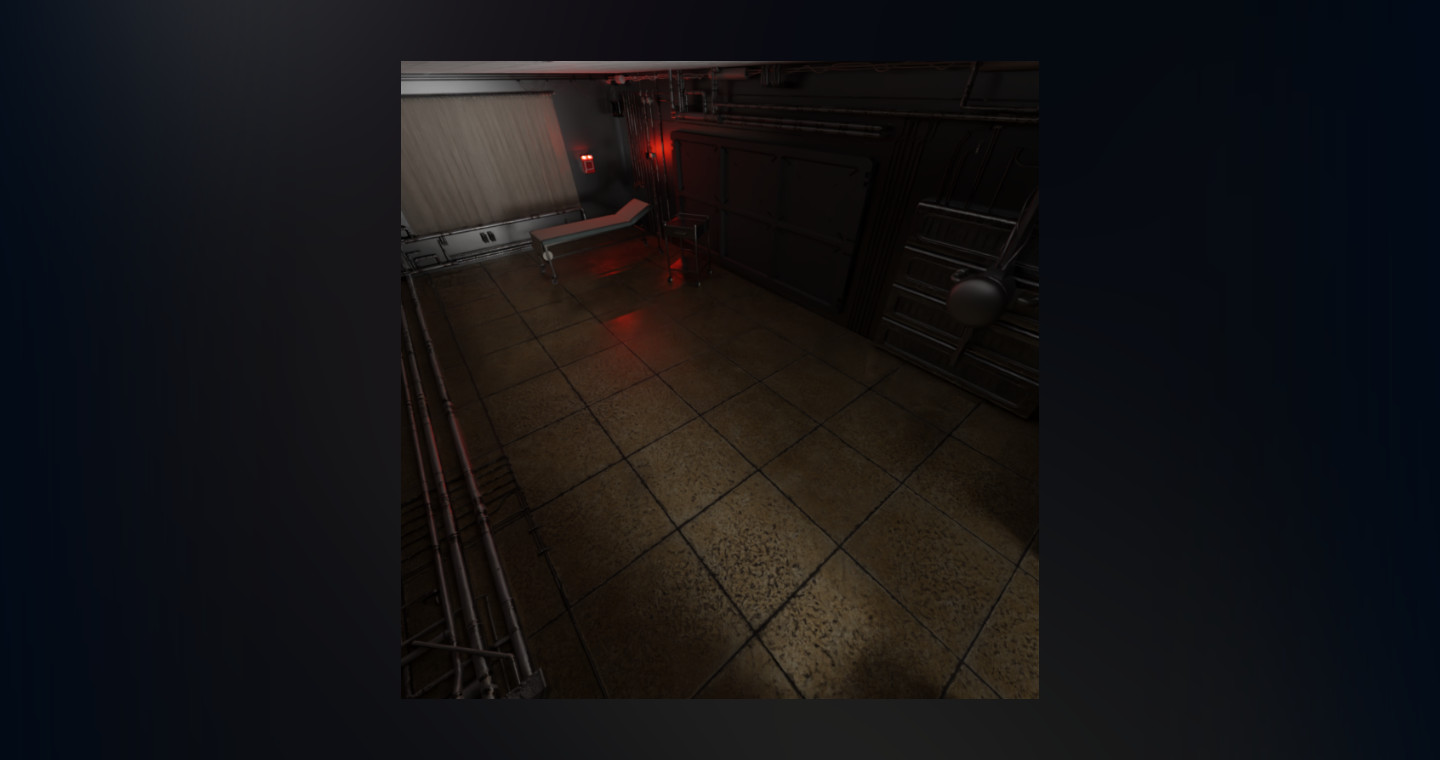
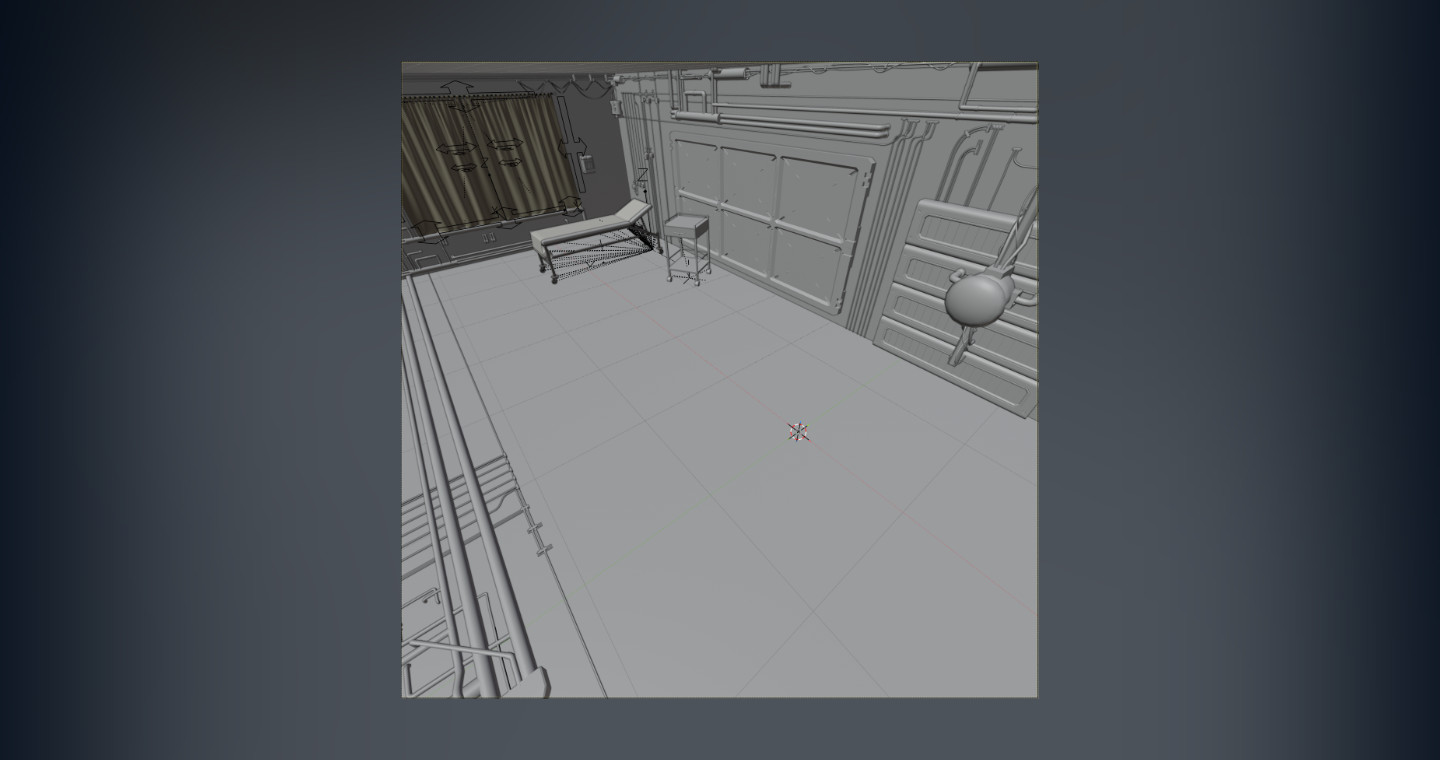
The album cover was made in Blender and composited in Affinity Photo. Various noise/grain textures, as well as degradation effects like blur, sharpen, and colour space reduction, were utilised to create the illusion that the render was captured on a CCTV camera; this is a stylised interpretation and is not meant to be an accurate emulation of specific hardware. The washed-out blue/cyan colour palette captures the cold, ominous energy of medical facilities, and the positioning of each object in relation to the camera creates a diagonal leading line that represents the narrative arc of the protagonist without revealing too much important plot detail.
Below: final cover art; raw render; viewport screenshot
working Logos
The branding for Mayda Imaging draws from and satirizes design tropes from 80s-90s industrial/technology logos, which to modern audiences might appear janky or unprofessional. I chose this aesthetic to evoke a subtle dissonance and unsettling atmosphere throughout the branding package.
To ensure period accuracy, all typefaces used were sourced directly from the period they hearken back to, meaning no “modern” fonts were used. I also set myself the challenge of applying the same techniques of the time and adapting them in modern software, trying to replicate the limited digital resources designers of the time likely had.
miscellaneous promotional assets
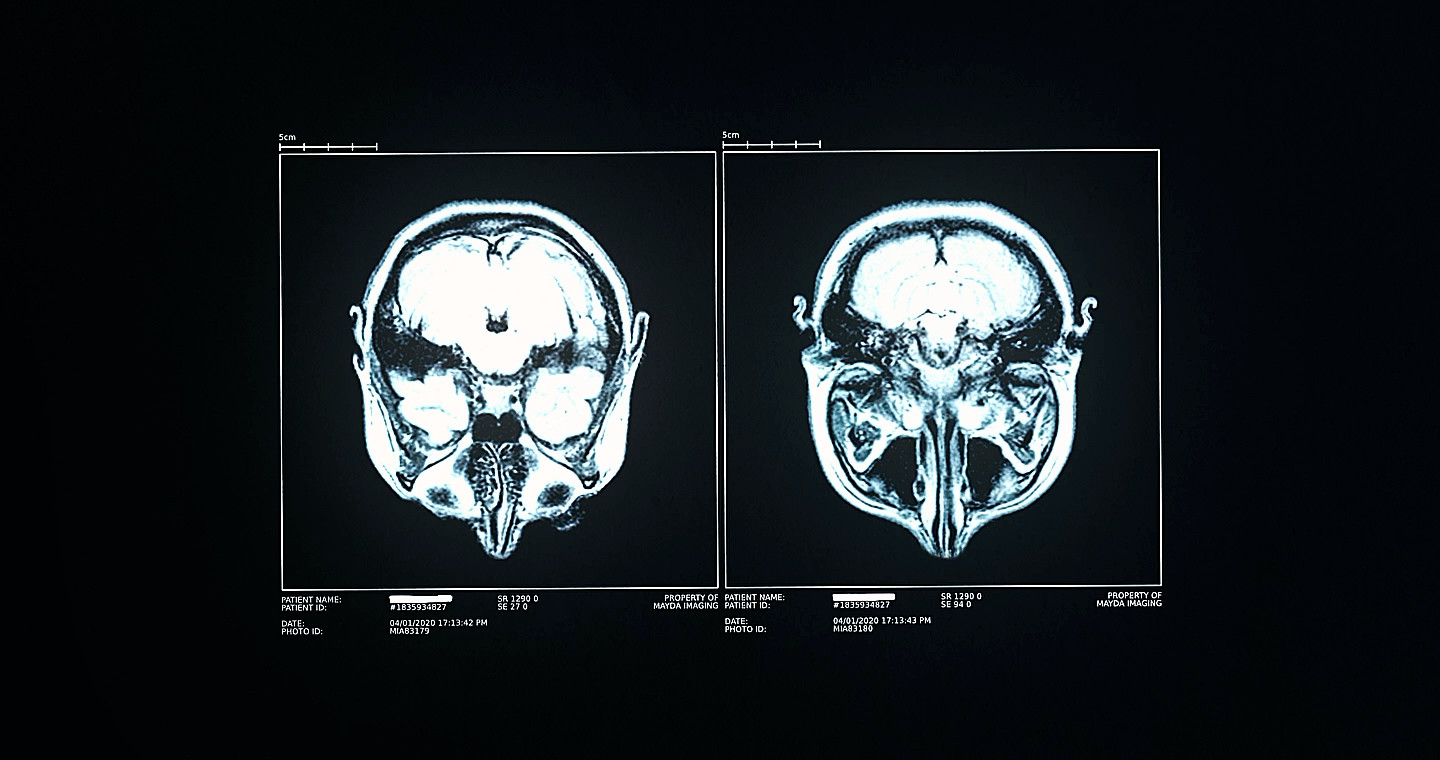
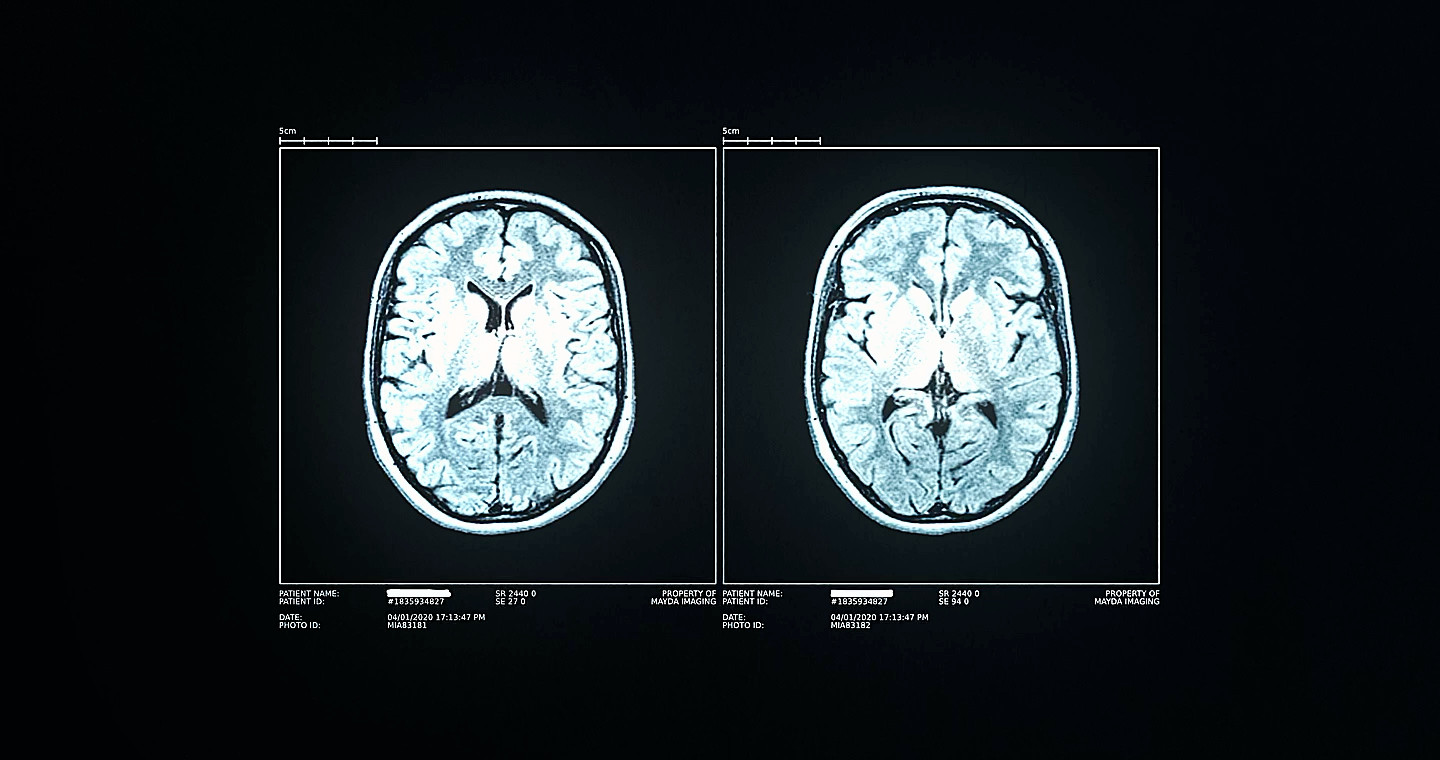
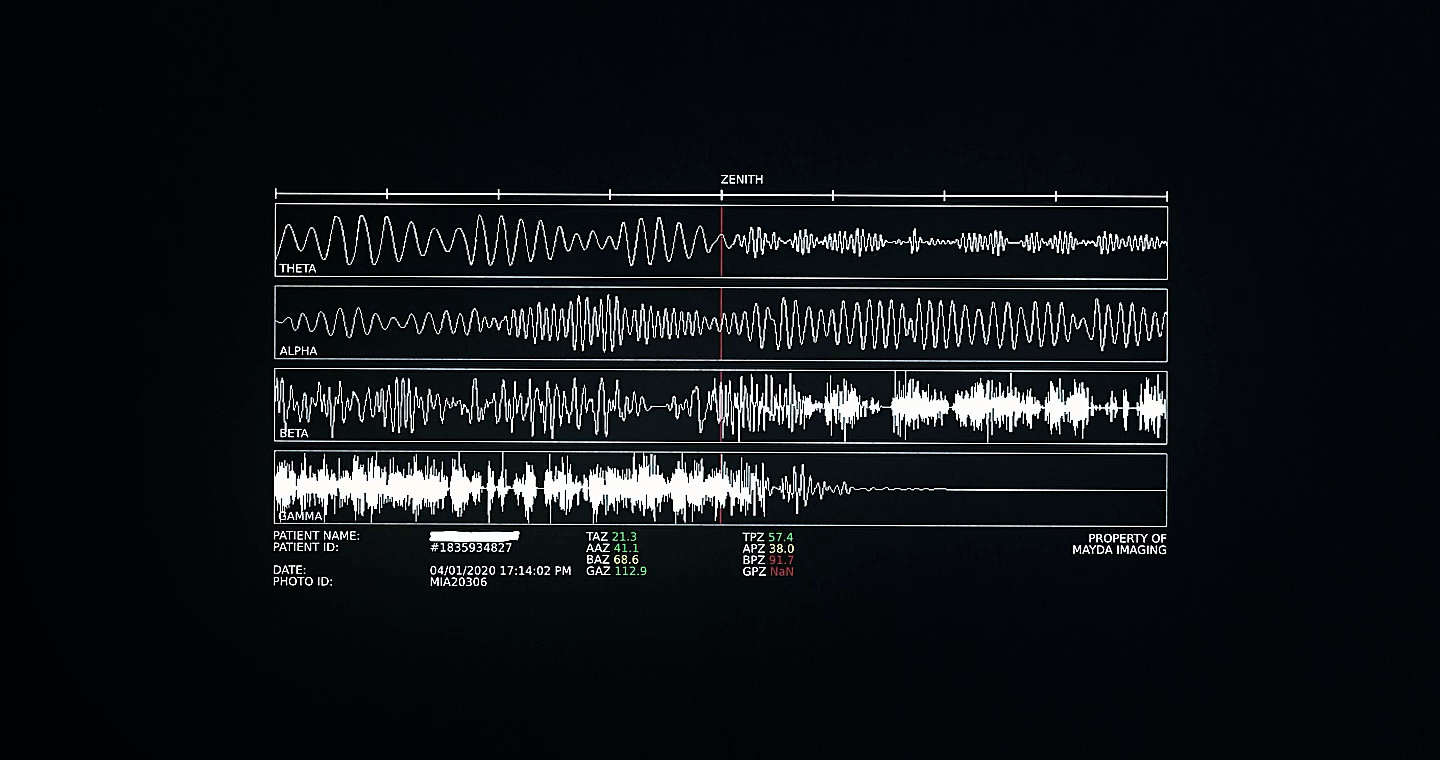
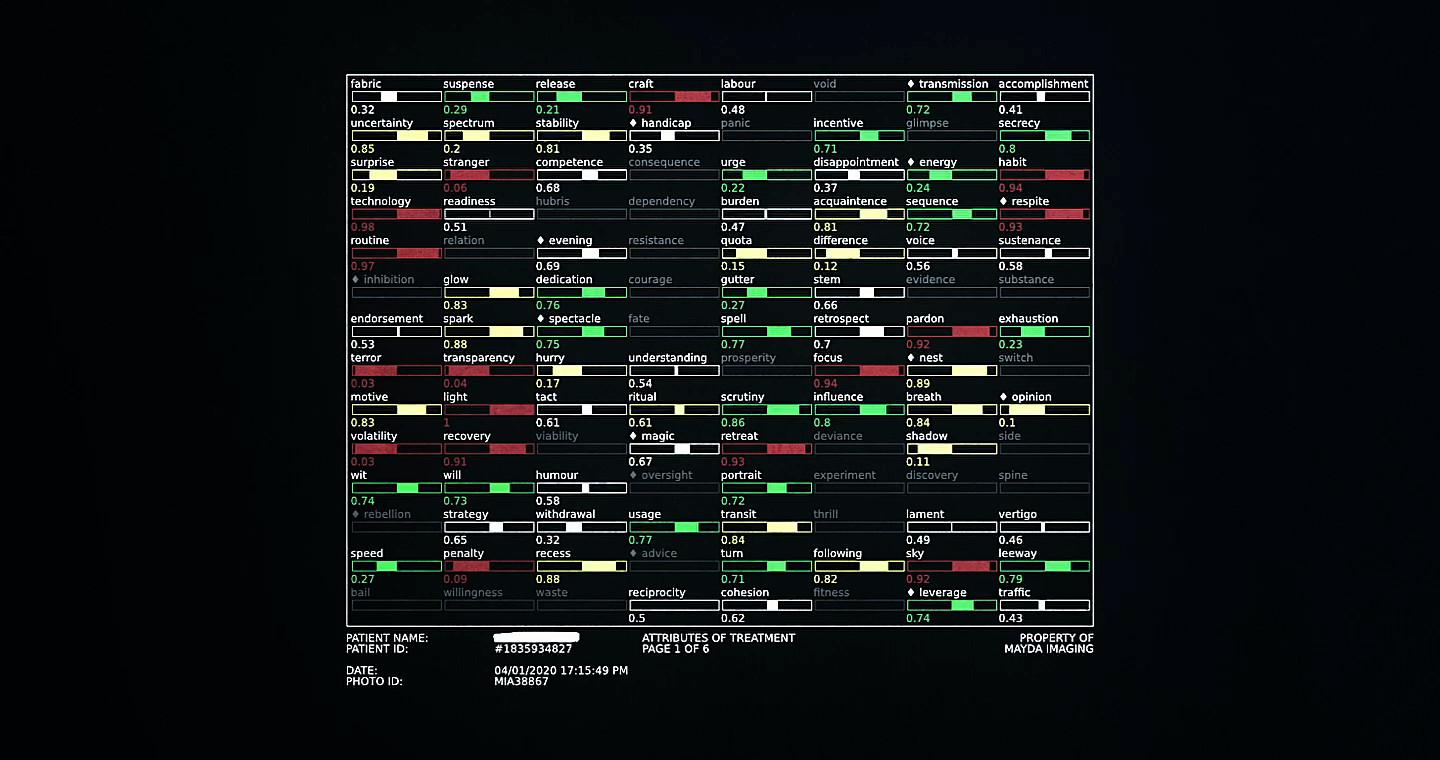
Early on, I was also exploring dense, retro-futuristic GUIs, not as a means of creating a functional user experience, but as an artistic medium; something to observe and contemplate rather than interact with. I started to imagine how Mayda Imaging’s equipment might operate and what their procedures would necessitate from a narrative standpoint. From there, after determining how to analogise each process visually, I would aim to add as much detail as possible, within reason, to almost overwhelm the viewer with information, similar to how one might feel when trying to make sense of an unfamiliar software program.
Ellis Pearson
A self-taught multidisciplinary creative, Ellis Pearson is deadset on expressing themselves by any means necessary, having dabbled in graphic design, 3D art, motion graphics, web design and development, video editing, programming, type design, and even music production, all with a unique, hyper-online tinge.